Key Takeaways
- Familiarity with state-specific payroll rules ensures consistent compliance.
- Accurate employee work location tracking is vital for proper tax withholding and payroll reporting.
- Partnering with a PEO simplifies HR and payroll processes across multiple states.
- Frequent payroll system updates are necessary to reflect new legislative requirements.
Managing payroll across multiple states is increasingly important as businesses expand operations beyond their original locations. However, the complexity of state-specific regulations, tax laws, and reporting requirements means that a one-size-fits-all approach falls short. To address these challenges, understanding the essentials of multiple state payroll management is key to maintaining compliance and fostering business growth. Failing to do so can expose businesses to penalties, impact employee satisfaction, and ultimately threaten overall profitability.
With each state enacting its own wage laws, tax rates, and employment standards, employers must keep pace with the patchwork of regulations that affect their workforce. Not only is compliance critical, but so is the ability to adapt quickly as businesses onboard talent and take on projects in new locations. In this guide, we outline best practices that help growing businesses build a resilient, compliant payroll operation across state borders.
Understanding State-Specific Tax and Wage Laws
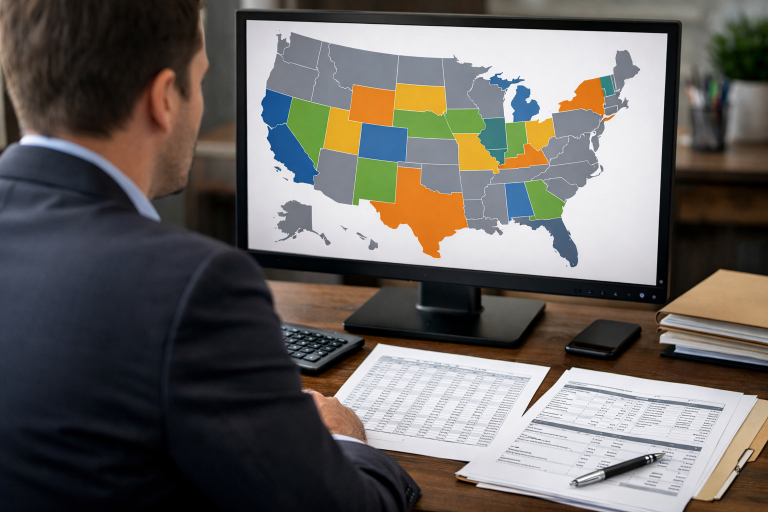
Each state imposes its own income tax rates, wage laws, and benefit mandates. For example, states like California and New York impose higher minimum wage thresholds and require specific benefits, such as paid family leave. On the other hand, states like Texas and Florida have no state income tax but may enforce other payroll obligations. Employers must study the distinctive rules in each jurisdiction to avoid inadvertent non-compliance, which can result in fines or legal action.
Additionally, some states require specialized registration before employers can hire, and they may also require quarterly filings unique to that state’s unemployment insurance program. Monitoring these shifting requirements demands dedicated attention, especially for businesses operating in multiple states simultaneously.
Tracking Employee Work Locations
Precise tracking of where employees perform their work is non-negotiable for correct payroll processing. Payroll tax obligations generally tie to the state in which work physically takes place, rather than a worker’s state of residence. This is particularly crucial when employees telecommute across state lines or travel frequently for business. Companies must adopt systems that accurately log work locations to guarantee proper withholding and reporting for every pay period.
Employee self-reporting alone is insufficient. Automated time-and-attendance systems, geolocation technology, or daily check-ins can help maintain reliable records and minimize tax exposure. Cross-checking time-tracking reports with payroll data further assures accuracy and audit readiness.
Leveraging Professional Employer Organizations (PEOs)
Partnering with a PEO offers significant advantages for businesses managing multi-state payroll compliance. PEOs assume responsibility for a wide range of HR functions, including payroll processing, benefit administration, and legal compliance across all states where a company’s employees reside or operate. This partnership allows business owners to concentrate energy on growth and strategic initiatives without sacrificing regulatory compliance or employee satisfaction.
Among the noted benefits, PEOs often provide access to advanced payroll technology platforms and dedicated compliance experts. This helps address legislative updates across state lines and reduces the internal administrative burden.
PEOs are particularly helpful when entering unfamiliar states or regions with highly nuanced local laws. In addition to streamlining compliance, PEOs may offer advice on adapting employee handbooks and policies to reflect local requirements and company culture. This holistic support can play a crucial role in shaping a productive, harmonious multi-state workforce. Leveraging a PEO’s resources can save time and reduce internal confusion, especially for teams with limited HR bandwidth or no prior experience in multi-state operations.
Regularly Updating Payroll Systems
Legislative changes at the state level can arrive rapidly and unexpectedly. Payroll tax rates may change mid-year, new filing requirements can emerge, and wage benchmarks may increase annually. To stay compliant, employers must continually update their payroll systems and internal policies. Maintaining subscriptions to legal updates from reputable sources and working closely with payroll vendors or HR specialists is vital.
Companies should also conduct regular process audits to ensure all changes are accurately reflected in system workflows. This proactive approach helps to sidestep costly errors and supports a culture of compliance within the organization.
Besides technology, investing in ongoing training for HR and finance team members ensures that everyone stays up to date on regulatory trends and best practices. Keeping communication lines open between departments allows for faster response times when new laws are enacted or when employees raise compliance questions. As payroll technologies evolve, encouraging employee feedback on usability and accuracy helps create a more inclusive and effective system for managing complex payroll requirements.
Common Mistakes to Avoid
Businesses often commit avoidable errors when expanding into new states. The most frequent issues include:
- Neglecting to register with state tax authorities before hiring employees.
- Withholding taxes based on an employer’s state instead of where the employee primarily works.
- Missing additional requirements, such as city or county-specific payroll taxes and benefit mandates.
To avoid these pitfalls, companies should develop a checklist when entering new states and verify requirements with state labor departments or payroll consultants. Diligence in onboarding, registration, and reporting processes saves time, money, and reputation in the long run.
Resources for Staying Informed
Staying informed about the ever-changing regulatory landscape is crucial for businesses seeking to maintain compliance and operational efficiency. Leveraging online guides and industry publications can be instrumental in this pursuit. Resources such as the SHRM PEO Center of Excellence provide valuable insights and practical compliance advice to help organizations navigate complex regulations effectively.
In addition to these resources, regularly consulting with payroll experts and legal advisors adds another layer of assurance. These professionals can tailor their recommendations to meet the unique needs of each business, ensuring that compliance measures are both effective and responsible.
Networking with other organizations that face similar challenges can also yield significant benefits. Online forums, industry groups, and regional business associations serve as excellent platforms for sharing experiences and strategies. Engaging with these networks can provide access to current case studies and emerging best practices, which can be invaluable for businesses grappling with multi-state payroll issues.
To maintain a competitive edge, internal teams must stay connected to these resources. This ongoing engagement not only enables swift response to legislative changes but also fosters the development of long-term solutions for payroll scalability. By prioritizing these practices, companies can set themselves up for sustainable growth in a dynamic regulatory environment.
Conclusion
Successfully navigating multi-state payroll compliance calls for knowledge, vigilance, and the right partners. By staying up to date with state-specific regulations, investing in robust employee location tracking, leveraging PEO experience, and making regular system updates, growing businesses can remain compliant while focusing their resources on innovation and expansion.