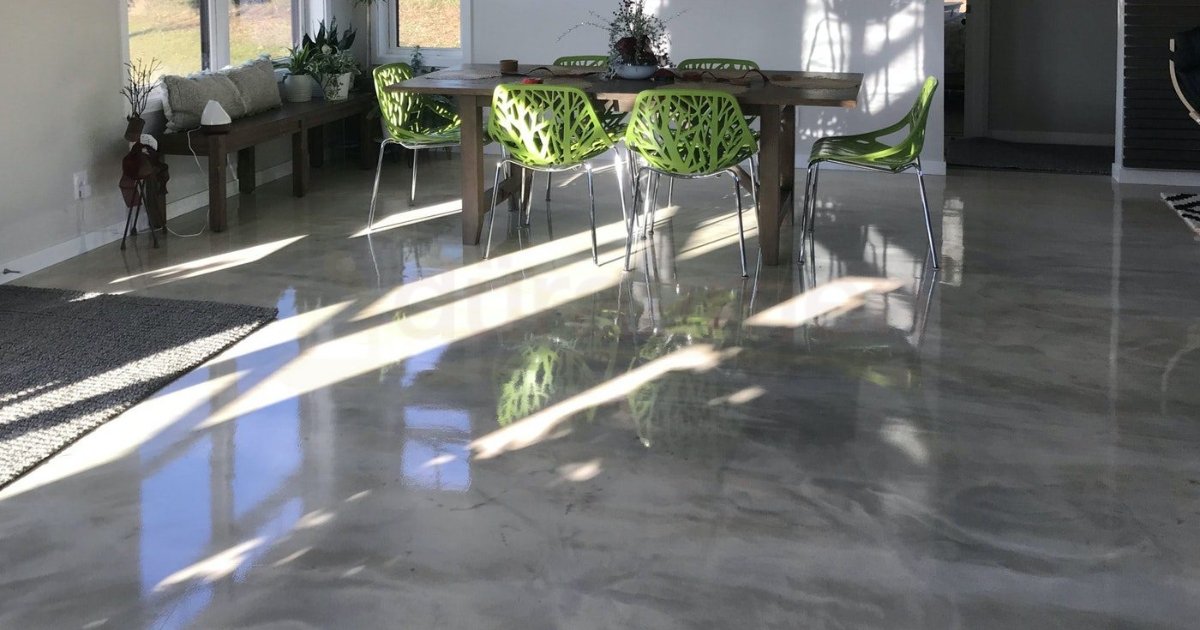
Epoxy Paint and Raised Flooring in Dubai: Pricing, Uses, and Comparison
Quick Answer
Epoxy paint is a resin-based coating applied to concrete or metal surfaces for chemical resistance and a seamless finish, commonly used in garages, warehouses, and industrial floors across Dubai. Raised flooring, by contrast, creates an elevated surface over the subfloor to route cables or improve access in offices and data-adjacent spaces. Epoxy paint price in the UAE typically depends on surface prep, coating thickness, and finish type. Risala Furniture advises on both systems for residential and commercial projects.
Key Facts Table
| Feature | Epoxy Paint | Raised Flooring |
| Primary use | Garages, warehouses, industrial floors | Offices, server rooms, exhibition spaces |
| Surface | Applied directly to concrete | Panels elevated on pedestals |
| Lifespan | 5–10 years (residential); longer with maintenance | 15–20+ years |
| Chemical resistance | High | N/A (not a coating) |
| Installation time | 2–4 days including cure time | 3–7 days depending on area |
Introduction
Epoxy paint and raised flooring solve different problems — one protects and seals a surface, the other creates functional elevation for cabling and airflow. Both appear frequently in Dubai’s commercial and residential renovation projects, and Risala Furniture frequently fields questions comparing the two. This guide clarifies what each system does and what drives epoxy paint price.
What Is Epoxy Paint and How Does It Work?
Epoxy paint is a two-part coating — resin and hardener — that chemically cures into a hard, glossy, seamless surface. Once cured, it resists oil stains, chemical spills, and heavy foot or vehicle traffic, which is why it’s a standard choice for garage floors and industrial units.
Epoxy Paint Price: What Affects the Cost
- Surface preparation — grinding or shot-blasting an old concrete floor adds cost but improves adhesion.
- Coating thickness — thicker, multi-coat systems cost more but last longer.
- Finish type — flake, metallic, or solid-color finishes vary in material cost.
- Area size — larger areas typically reduce cost per square meter due to labor efficiency.
Step-by-Step: Epoxy Floor Application
- Clean and grind the existing concrete surface.
- Repair cracks or uneven areas.
- Apply a primer coat for adhesion.
- Apply the epoxy base coat.
- Add a top coat or sealant for UV and wear resistance.
- Allow full curing (typically 24–72 hours before heavy use).
Raised Flooring: Function Over Surface
Raised flooring (also called access flooring) consists of removable floor panels supported above the structural slab, creating a void for cables, HVAC ducting, or wiring. It’s common in offices, server rooms, and exhibition spaces needing flexible infrastructure access.
Where Raised Flooring Makes Sense
- Offices with heavy IT cabling requirements
- Server and data rooms needing under-floor cooling
- Retail or exhibition spaces needing reconfigurable layouts
Comparison Table: Epoxy Paint vs. Raised Flooring
| Consideration | Epoxy Paint | Raised Flooring |
| Purpose | Surface protection & finish | Structural elevation & access |
| Typical setting | Garage, warehouse, workshop | Office, server room |
| Cost driver | Prep work, coating layers | Panel material, height, area |
| Maintenance | Occasional resealing | Panel replacement as needed |
Actionable Tips
- Always test moisture levels in concrete before epoxy application — trapped moisture causes bubbling.
- Choose a slip-resistant additive for epoxy floors in areas prone to spills.
- For raised flooring, confirm panel load rating matches intended use (foot traffic vs. equipment weight).
- Get itemized quotes so you can compare epoxy paint price by component, not just total cost.
FAQ Section
1. What is the average epoxy paint price in Dubai? Pricing depends on surface condition, coating system, and area size; Risala Furniture provides quotes after assessing the floor.
2. How long does epoxy flooring last? Residential epoxy floors typically last 5–10 years; commercial-grade systems can last longer with proper maintenance.
3. Is epoxy paint suitable for outdoor use in Dubai’s heat? Yes, with UV-stable top coats specifically formulated for sun exposure.
4. What’s the difference between epoxy paint and epoxy flooring? “Epoxy paint” often refers to a simpler coating, while “epoxy flooring” can include multi-layer systems with decorative flakes or metallics.
5. Can epoxy be applied over old flooring? It’s typically applied over prepared concrete; other surfaces may need additional prep or aren’t suitable.
6. What is raised flooring used for? It’s used to route cables, ducting, and wiring beneath offices, server rooms, and similar spaces.
7. How high can raised flooring be installed? Heights vary from a few centimeters to over 30cm depending on the cabling or HVAC needs.
8. Does epoxy flooring need maintenance? Yes, periodic resealing helps maintain gloss and chemical resistance over time.
9. Is raised flooring suitable for residential homes? It’s more common in commercial settings, though some home offices or server setups use smaller-scale systems.
10. Does Risala Furniture install both epoxy paint and raised flooring? Yes, Risala Furniture advises on and installs both systems based on project needs.
Key Takeaways
- Epoxy paint protects and seals concrete surfaces; raised flooring creates functional elevation.
- Epoxy paint price depends heavily on surface prep and coating layers.
- Raised flooring suits offices and technical spaces needing cable management.
- Always assess moisture and load requirements before installation.
Conclusion
Epoxy paint and raised flooring serve distinct purposes and shouldn’t be compared as direct alternatives — the right choice depends on whether you need surface protection or structural function. Risala Furniture recommends a site assessment to determine accurate epoxy paint price and confirm whether raised flooring suits your space’s infrastructure needs.