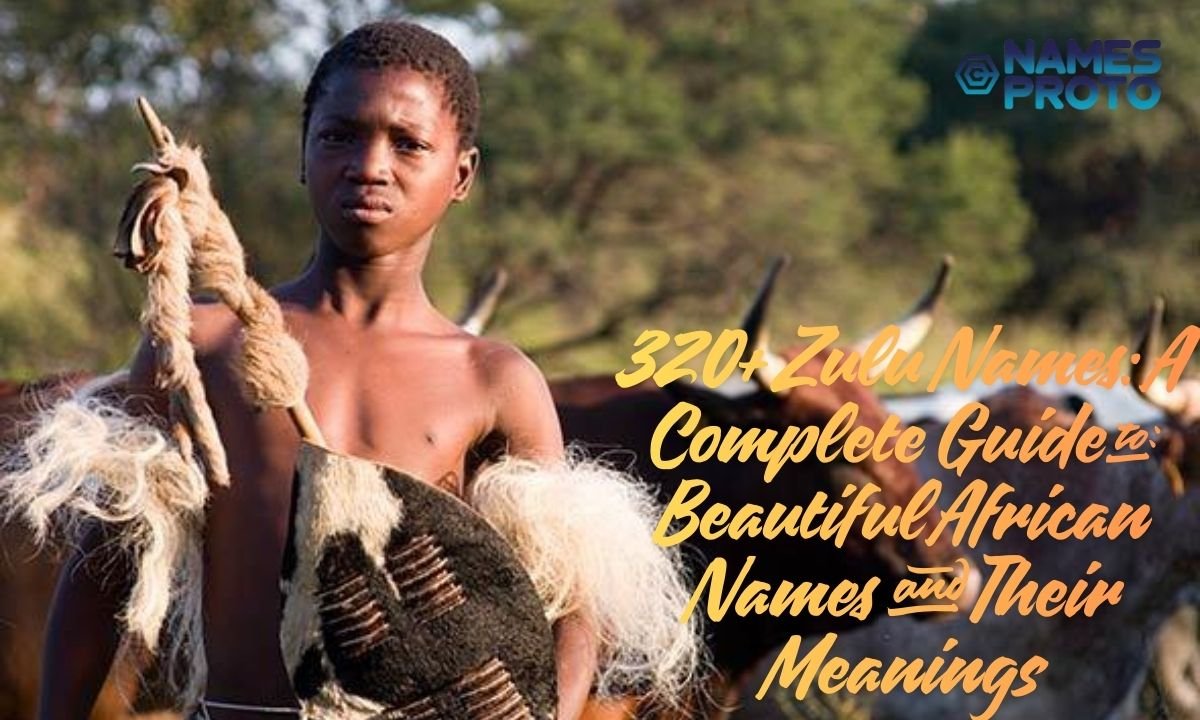
The Zulu people of South Africa possess one of the continent’s most profound naming traditions, where every name tells a story, carries a prayer, or commemorates a significant moment. With over 12 million speakers, isiZulu is South Africa’s most widely spoken home language, and Zulu naming customs reflect centuries of cultural wisdom passed down through generations.
Unlike many Western naming traditions where names are chosen primarily for their sound or popularity, Zulu names are deeply intentional—each one serving as a living narrative that speaks to the circumstances of a child’s birth, the family’s aspirations, or the community’s experiences.
Understanding Zulu Naming Traditions
In Zulu culture, names are chosen with great care and intention. They often reflect:
- Circumstances of birth: Time, weather, or events during delivery
- Family hopes and aspirations: Desired qualities for the child
- Ancestral connections: Honoring those who came before
- Spiritual beliefs: Expressing gratitude to ancestors or the divine
- Social commentary: Making statements about family or community situations
Traditional Zulu names typically have transparent meanings in the isiZulu language, allowing anyone who speaks Zulu to understand the significance immediately.
Zulu Names for Boys
Popular Zulu Boys’ Names
- Andile – “They have increased/multiplied” (celebrating family growth)
- Ayanda – “They are increasing/growing”
- Bandile – “They have multiplied”
- Bongani – “Be grateful/thankful”
- Bhekinkosi – “Look to the Lord”
- Celimpilo – “Advise life/health”
- Dumisani – “Praise”
- Fikile – “He has arrived”
- Khanyisile – “There is light”
- Lindani – “Wait” or “Be patient”
- Lungelo – “Right” (as in entitlement)
- Mandla – “Power/strength”
- Mduduzi – “Comforter”
- Melusi – “Shepherd”
- Menzi – “Doer/maker”
- Mqhele – “Crown”
- Muzikayise – “Household of his father”
- Nathi – “With us”
- Nhlakanipho – “Wisdom”
- Nkanyiso – “Light”
- Nkosinathi – “The Lord is with us”
- Nkululeko – “Freedom”
- Phakamani – “Rise up/be uplifted”
- Sabelo – “Answer to prayer”
- Samkelo – “We have accepted”
- Sandile – “We have increased”
- Sanele – “It is enough/we are satisfied”
- Senzo – “Deed/action”
- Sibonelo – “Sign/token”
- Sibusiso – “Blessing”
- Sifiso – “Wish/desire”
- Simphiwe – “We have been given/gifted”
- Siphelele – “We are complete”
- Sipho – “Gift”
- Siyabonga – “We are grateful/we give thanks”
- Siyanda – “We are growing”
- Sizwe – “Nation”
- Thabang – “Be happy/rejoice”
- Thandile – “The loving one”
- Thando – “Love”
- Thokozani – “Be happy/rejoice”
- Vukani – “Wake up/arise”
- Xolani – “Peace/forgive”
- Zablon/Zabulon – “Exalted dwelling”
- Zakhele – “Build for himself”
- Zamani – “Try”
- Zweli – “Country/nation”
Strong and Powerful Zulu Boys’ Names
- Amahle – “The beautiful ones”
- Bambatha – “Grab/hold onto”
- Bhekani – “Look/observe”
- Bhekisisa – “Look carefully/examine”
- Bonani – “See/observe”
- Buhle – “Beautiful/handsome”
- Buyani – “Return/come back”
- Gcina – “Finish/protect”
- Hlengiwe – “Rescued/redeemed”
- Jabulani – “Rejoice/be happy”
- Khulani – “Grow/develop”
- Khumbulani – “Remember”
- Khuzwayo – “Of the chief”
- Kwenzekile – “It has happened”
- Lwazi – “Knowledge”
- Makhosini – “Among the chiefs”
- Mbali – “Flower”
- Mthokozisi – “His happiness”
- Muzi – “Homestead/household”
- Ndabenhle – “Good news”
- Ndumiso – “Praise”
- Nhlanhla – “Luck/fortune”
- Nkosikhona – “The Lord is here”
- Nkosiyabo – “Their Lord/chief”
- Phumlani – “Rest/relax”
- Qiniso – “Truth”
- Samora – Adopted from Samora Machel
- Sbu/Sbusiso – Short for Sibusiso, “blessing”
- Thandeka – “Lovable one”
- Thembinkosi – “Trust in the Lord”
- Vusi – “Revival/awakening”
- Wandile – “They have increased”
- Wiseman – English name commonly used in Zulu communities
- Zama – “Try/attempt”
- Zimasa – “Glory/majesty”
- Zinhle – “Good things/beauties”
Traditional Zulu Warriors’ Names
- Cetshwayo – Historical Zulu king’s name
- Dingane – Historical Zulu king, “one who is in need”
- Goodwill – Commonly used, meaning benevolence
- Mageba – “Broad-shouldered one,” praise name
- Mbuyiseni – “Bring back”
- Mpande – Historical Zulu king, “root”
- Ngqengelele – Traditional name
- Njabulo – “Happiness/joy”
- Shaka – Legendary Zulu king and warrior
- Sihle – “We are beautiful/good”
- Thulani – “Be quiet/be peaceful”
- Vukile – “He has awakened”
- Welcome – English name commonly adopted
- Zibuse – “Lead themselves”
- Zithulele – “Remain quiet/peaceful”
Zulu Names for Girls
Beautiful Zulu Girls’ Names
- Amahle – “The beautiful ones”
- Andiswa – “We have been increased/added to”
- Ayanda – “They are increasing”
- Bandile – “They have multiplied”
- Buhle – “Beautiful”
- Busisiwe – “Blessed”
- Cindy – Commonly adopted English name
- Duduzile – “Comforted one”
- Fikile – “She has arrived”
- Fiona – Commonly adopted name
- Fortunate – English name commonly used
- Fuziwe – “Made alike/similar”
- Gcina – “Protect/finish”
- Gugu – “Treasure/precious thing”
- Hlengiwe – “Redeemed/rescued”
- Inhle – “Beauty/beautiful”
- Jabulile – “Happy/joyful one”
- Khanyisile – “There is light”
- Khanyi – “Light”
- Khethiwe – “The chosen one”
- Khulekani – “Pray”
- Khumbuzile – “She has reminded”
- Lindokuhle – “Waiting for goodness”
- Lindiwe – “The awaited one”
- Lungile – “It is good/right”
- Mandisa – “Sweeten”
- Mbali – “Flower”
- Minenhle – “Beautiful day”
- Mthokozisi – “His happiness”
- Naledi – “Star” (borrowed from Sotho)
- Ncumisa – “Make smile”
- Ndileka – “I am satisfied”
- Nhlanhla – “Luck/good fortune”
- Nkosazana – “Princess”
- Nokukhanya – “With light”
- Nokuthula – “With peace”
- Nokwanda – “With abundance”
- Noluthando – “With love”
- Nompumelelo – “With success”
- Nomsa – “Compassion/mercy”
- Nomthandazo – “With prayer”
- Nomusa – “Compassion/mercy”
- Nomvula – “After the rain”
- Nonhle – “Beautiful one”
- Nozipho – “With gifts”
- Ntombenhle – “Beautiful girl”
- Ntombifuthi – “Girl again”
- Ntombikayise – “His daughter”
- Ntombi – “Girl/maiden”
- Phakamile – “Uplifted/elevated”
- Phumla – “Rest”
- Phumzile – “Rested one”
- Precious – English name commonly used
- Princess – English name commonly used
- Qhawe – “Hero/brave one”
- Sabelile – “We have answered”
- Samkelisiwe – “We have been accepted”
- Sandisiwe – “We have been increased”
- Sanelisiwe – “We have been satisfied”
- Senzi – “Do something”
- Sethabile – “We are happy”
- Sibahle – “We are beautiful”
- Sibongile – “We are grateful”
- Sihle – “Beautiful/good”
- Simangele – “We are surprised”
- Simphiwe – “We have been given”
- Sindisiwe – “We have been saved”
- Sindi – Short for Sindisiwe
- Sisipho – “We are a gift”
- Sizakele – “We have built for ourselves”
- Snethemba – “We have hope”
- Snenhlanhla – “We have luck”
- Slindile – “We are waiting”
- Sphelele – “Complete”
- Thabile – “Happy/joyful one”
- Thabisa – “Make happy”
- Thandeka – “Lovable/beloved”
- Thandekile – “The beloved one”
- Thandiwe – “Beloved”
- Thembelihle – “Good hope”
- Thembi – “Trust/hope”
- Thokozile – “Happy/joyful”
- Thuli/Thulile – “Quiet/peaceful one”
- Ukuthula – “Peace”
- Vuyiswa – “Made happy”
- Welcome – Commonly used English name
- Xoli – “Forgiveness/peace”
- Zanele – “They are enough/sufficient”
- Zandile – “They have multiplied”
- Zenande – “Who is with us?”
- Zethembiso – “Promise”
- Zimbili – “Two”
- Zintle – “Beautiful things”
- Zizipho – “They are gifts”
- Zola – “Calm/peaceful”
- Zoleka – “Tranquil/quiet”
- Zoliswa – “Made peaceful”
- Zonke – “All/everything”
- Zukiswa – “Awakened/aroused”
Names Reflecting Hope and Joy
- Enhle – “Beautiful”
- Kwanele – “It is enough”
- Lungisa – “Make right/fix”
- Mukelwa – “Accepted one”
- Nolwazi – “With knowledge”
- Nompilo – “With life/health”
- Nosipho – “Mother of gifts”
- Qinisile – “Truthful one”
- Siphesihle – “Beautiful gift”
- Tholakele – “Found”
- Yenzokuhle – “Do good things”
- Zama – “Try/attempt”
Unisex Zulu Names
- Ayanda – “They are increasing”
- Bandile – “They have multiplied”
- Buhle – “Beautiful”
- Khanya – “Light”
- Khethelo – “Choice”
- Lungelo – “Right”
- Mbali – “Flower”
- Nathi – “With us”
- Nhlanhla – “Luck”
- Nkanyiso – “Light”
- Sanele – “It is enough”
- Sifiso – “Wish”
- Sihle – “Beautiful/good”
- Simphiwe – “We have been given”
- Sipho – “Gift”
- Thandeka – “Lovable”
- Thando – “Love”
- Themba – “Hope/trust”
- Vuyo – “Happiness”
- Zama – “Try”
Modern Zulu Names
Contemporary Zulu parents often create new names or adapt traditional ones:
- Akhona – “He/she is present”
- Banele – “They are sufficient”
- Enhle – “Beautiful”
- Hlelo – “Plan/schedule”
- Khethelo – “Choice”
- Lwandle – “Ocean/sea”
- Mbalenhle – “Beautiful flower”
- Melokuhle – “Good standing”
- Nkosinhle – “Good Lord”
- Owami – “Mine”
- Sbahle – “We are beautiful”
- Siyamthanda – “We love him/her”
- Yonela – “It is enough for you”
- Zibuyile – “They have returned”
Clan Names and Surnames
Zulu surnames often derive from clan names (izithakazelo), which are hereditary praise names:
- Buthelezi – Famous clan name
- Cele – Common surname
- Dlamini – Royal Swazi/Zulu clan
- Dube – “Zebra,” common surname
- Gcabashe – Clan name
- Gumede – Ancient Zulu clan
- Hadebe – Clan name
- Khumalo – Prominent clan
- Mabaso – Clan name
- Madonsela – Clan name
- Makhanya – Clan name
- Mthembu – Large Zulu clan
- Mthethwa – Historical confederation
- Ndlovu – “Elephant,” powerful clan
- Ngcobo – Clan name
- Ngubane – Clan name
- Nxumalo – Clan name
- Shange – Clan name
- Sithole – Clan name
- Zulu – The main clan/nation itself
- Zungu – Clan name
- Zwane – Common clan name
Double-Barreled and Compound Names
Many Zulu names can be combined for deeper meaning:
- Khethokuhle – “Choose good things”
- Lindokuhle – “Wait for good things”
- Mthokoziseni – “Make him/her happy”
- Nkosiyakhe – “His/her Lord”
- Nokubonga – “With thanksgiving”
- Nokulunga – “With goodness”
- Simakuhle – “Stand beautifully”
- Siphamandla – “We have power”
- Thembakahle – “Good hope/trust”
- Yenzakahle – “Do good things”
Names Inspired by Nature
- Buhlebezwe – “Beautiful land”
- Lwandle – “Sea/ocean”
- Malibongwe – “Let praises be”
- Mvula – “Rain”
- Nala – “Abundance” (also “star” in other contexts)
- Thanda – “Love”
- Themba – “Hope”
- Vula – “Open”
Names Reflecting Spirituality
- Bhekithemba – “Look to hope/trust”
- Mthobisi – “Humble person”
- Mukelani – “Accept/receive”
- Nombuso – “With kingdom/reign”
- Simakade – “Stand forever”
- Sthembiso – “Promise”
- Thembeka – “Be trustworthy”
- Thembekile – “Trustworthy one”
- Vumani – “Agree/consent”
Additional Meaningful Names
- Alondwe – “Let me sleep”
- Bafana – “Boys”
- Bayede – Royal salute
- Busani – “Rule/govern”
- Buyisile – “Returned”
- Delani – “Be satisfied”
- Fezile – “Accomplished”
- Gugulethu – “Our treasure”
- Hlomla – “Respect”
- Jabula – “Be happy”
- Khulula – “Set free/liberate”
- Lindela – “Wait for”
- Makhosi – “Chiefs/lords”
- Ndaba – “Matter/issue”
- Phila – “Live/be alive”
- Qhakazile – “Appeared/emerged”
- Samora – Adopted name honoring Samora Machel
- Sakhile – “We have built”
- Thula – “Be quiet/peaceful”
- Vela – “Appear/emerge”
- Vuma – “Agree”
- Zethembe – “Trust”
- Zibonele – “See for themselves”
- Zikhali – “Weapons”
Choosing the Perfect Zulu Name
When selecting a Zulu name for your child, consider:
- Meaning: Choose a name with significance that resonates with your hopes and values
- Pronunciation: Ensure it’s pronounceable in your community while maintaining its authentic sound
- Family tradition: Some families maintain naming patterns or honor ancestors
- Uniqueness vs. familiarity: Balance between distinctive and commonly recognized names
- Combination possibilities: Many Zulu children receive multiple names
Pronunciation Guide
Zulu includes sounds not found in English:
- C – A dental click sound (tongue against teeth)
- Q – A palatal click (tongue against palate)
- X – A lateral click (tongue on side of mouth)
- Hl – Voiced lateral fricative
- Bh, dl, gc – Implosive consonants
- Emphasis typically falls on the penultimate (second-to-last) syllable
Cultural Significance Today
Zulu names remain vitally important in contemporary South African society. They represent cultural pride, identity, and heritage continuity. Many Zulu people use both traditional Zulu names and English or Christian names, with Zulu names often serving as the primary identifier within the community.
The tradition of meaningful naming ensures that every Zulu person carries their story with them, embedded in the name they were given at birth. This practice connects modern Zulu people to their ancestors and to each other, creating a living tapestry of language, culture, and identity.
Whether you’re choosing a name for your child, researching your heritage, or simply appreciating the beauty of African languages, Zulu names offer a window into a rich cultural tradition that values meaning, hope, and community above all else.
Conclusion
The rich tapestry of Zulu names presented in this guide represents far more than a simple catalog of options—it embodies the living spirit of a culture that understands the profound power of naming. Each name carries within it the voices of ancestors, the hopes of parents, and the essence of a worldview that sees meaning in every aspect of existence.
From the joyful celebration found in names like Jabulani and Thabile to the spiritual depth of names like Nkosinathi and Sibusiso, Zulu naming traditions remind us that identity is not arbitrary but intentional, not inherited but bestowed with purpose. As South Africa continues to embrace its multicultural heritage, these names serve as bridges between past and present, connecting modern families to ancient wisdom while remaining perfectly relevant in contemporary society.